
Description
D-Tryptophan
High-Purity D-Isomer | Crystalline Powder
D-tryptophan is the D-isomer of tryptophan: structurally related to L-tryptophan, but metabolically distinct. Unlike L-tryptophan, which is the ordinary protein-building amino acid, D-tryptophan is proposed here as an indole-side signal precursor.
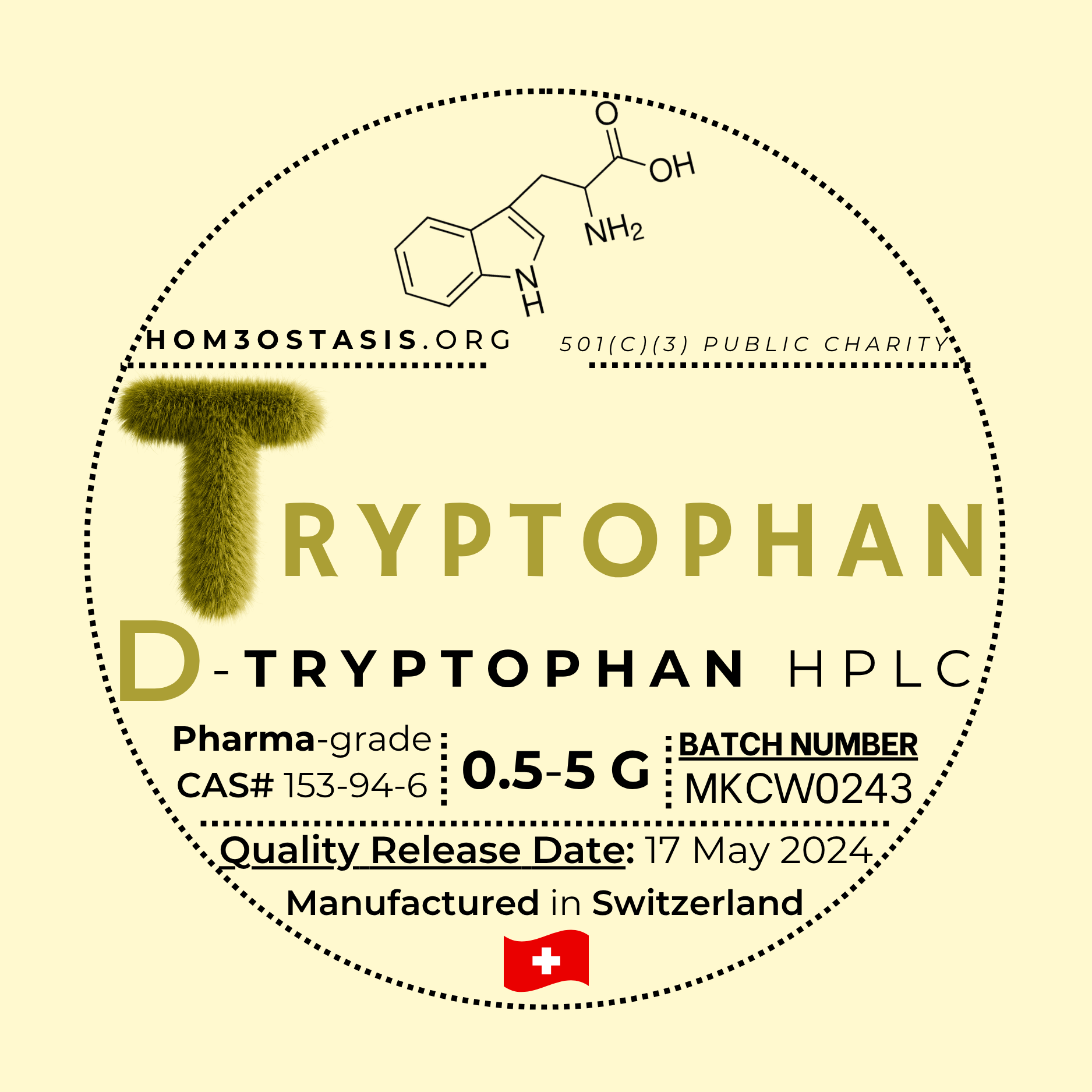
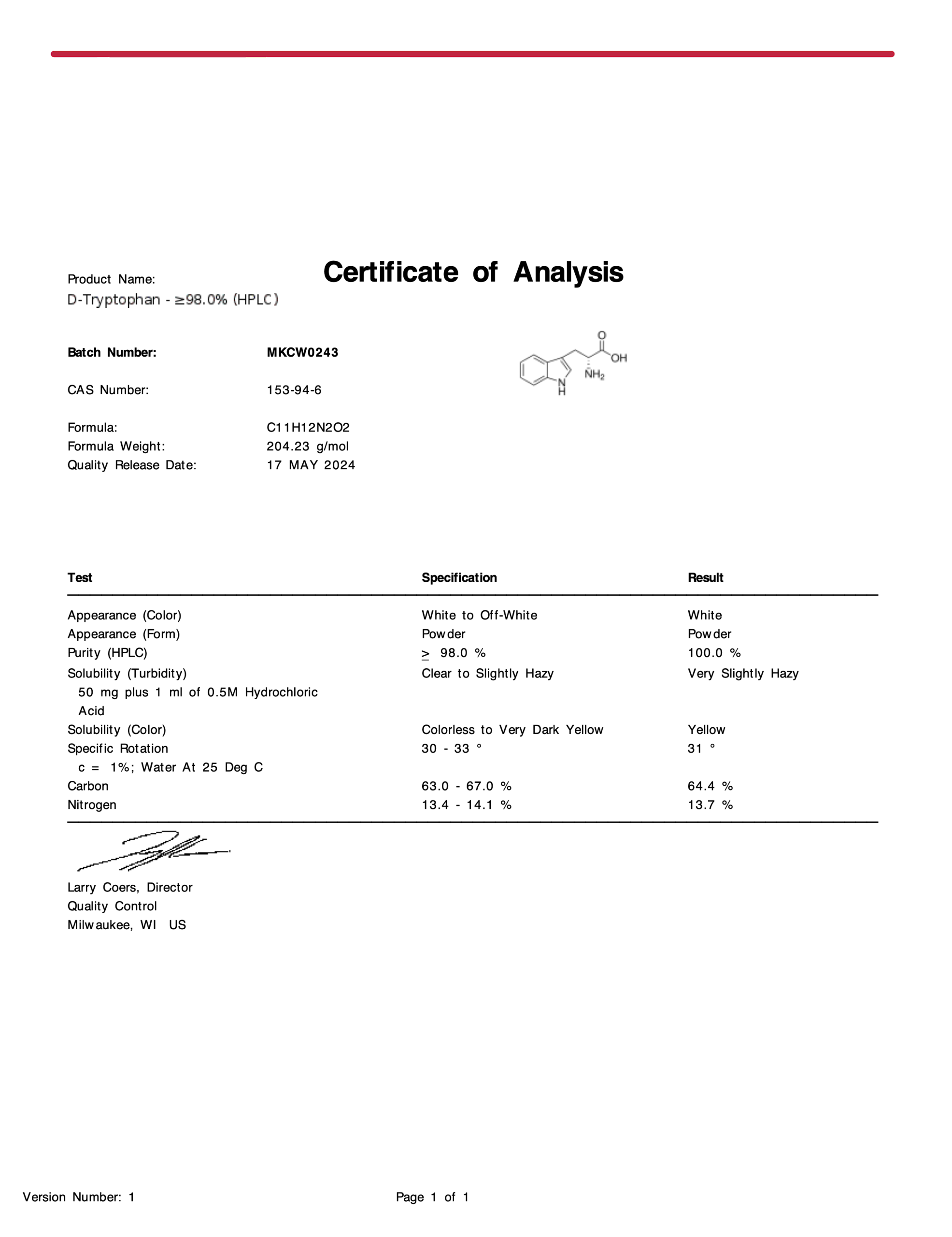
This product provides D-tryptophan in its unmodified, immediate-release crystalline form, at 100% purity meeting the most stringent HPLC / USP-grade standard for quality control and purity.
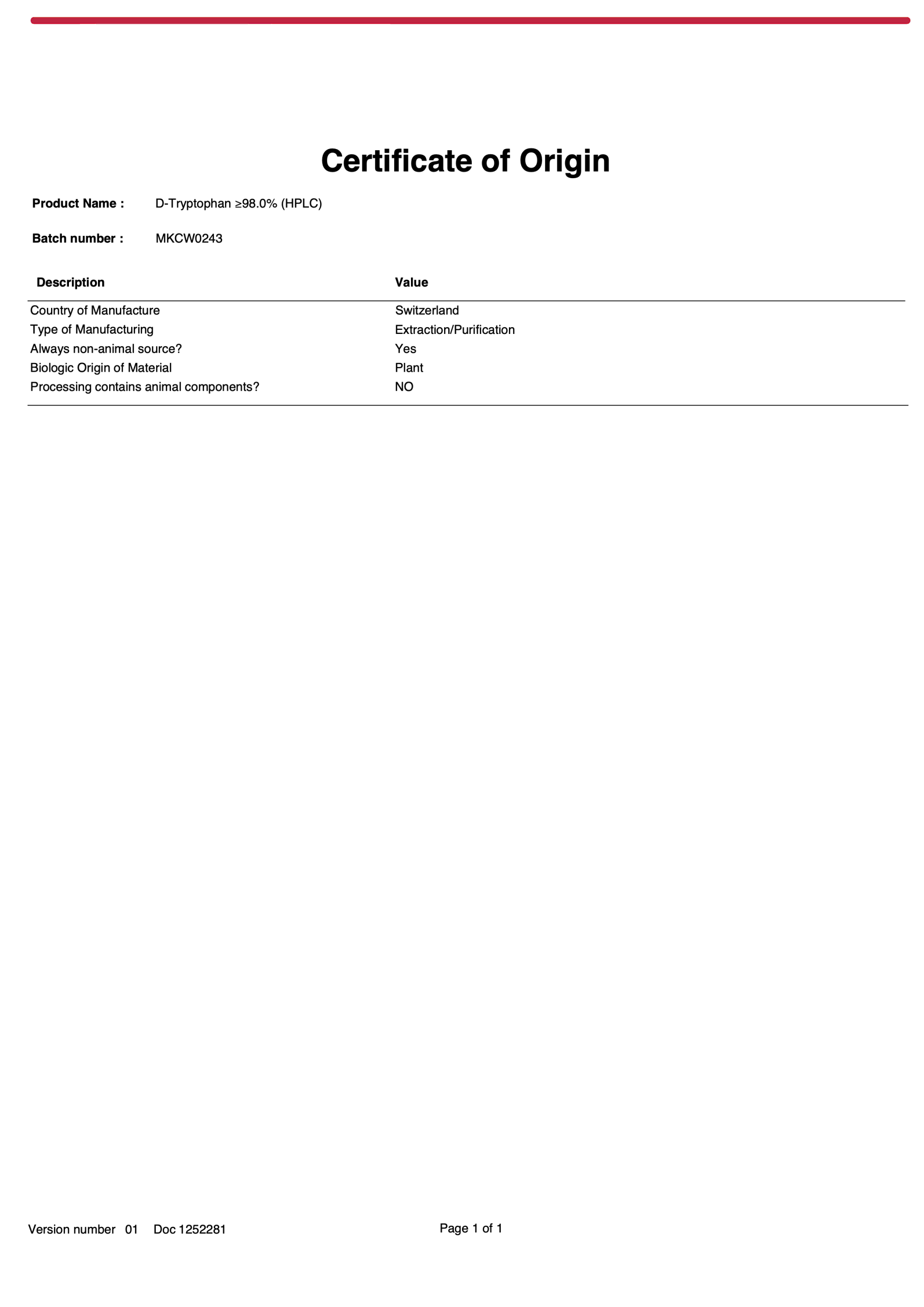
The material is sourced and handled with an emphasis on chemical purity and traceability, consistent with laboratory-grade standards. Certificates Of Analysis (COA) and Origin (COO) reflect a commitment to known inputs, not blended or reformulated consumer substitutes.
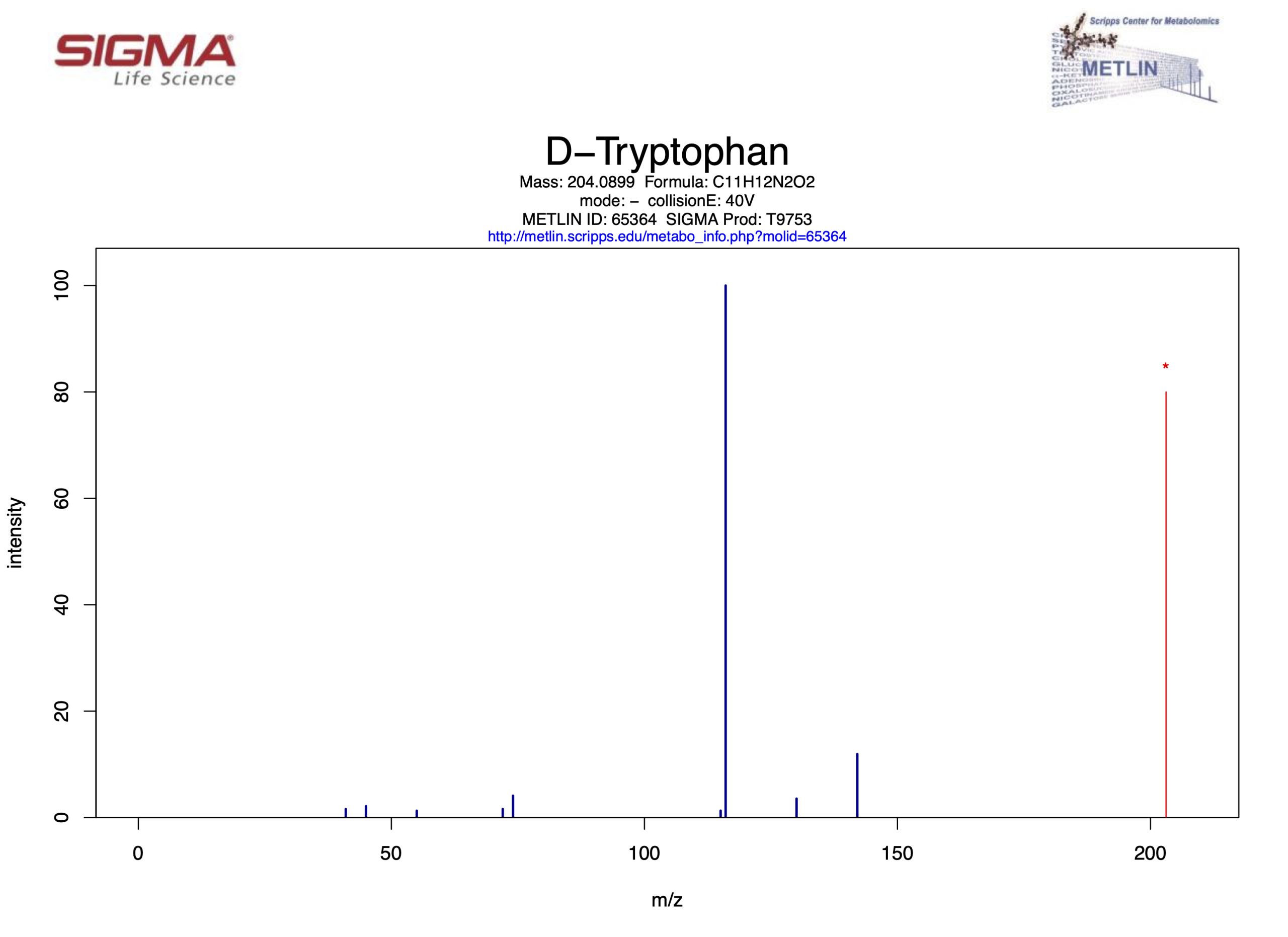
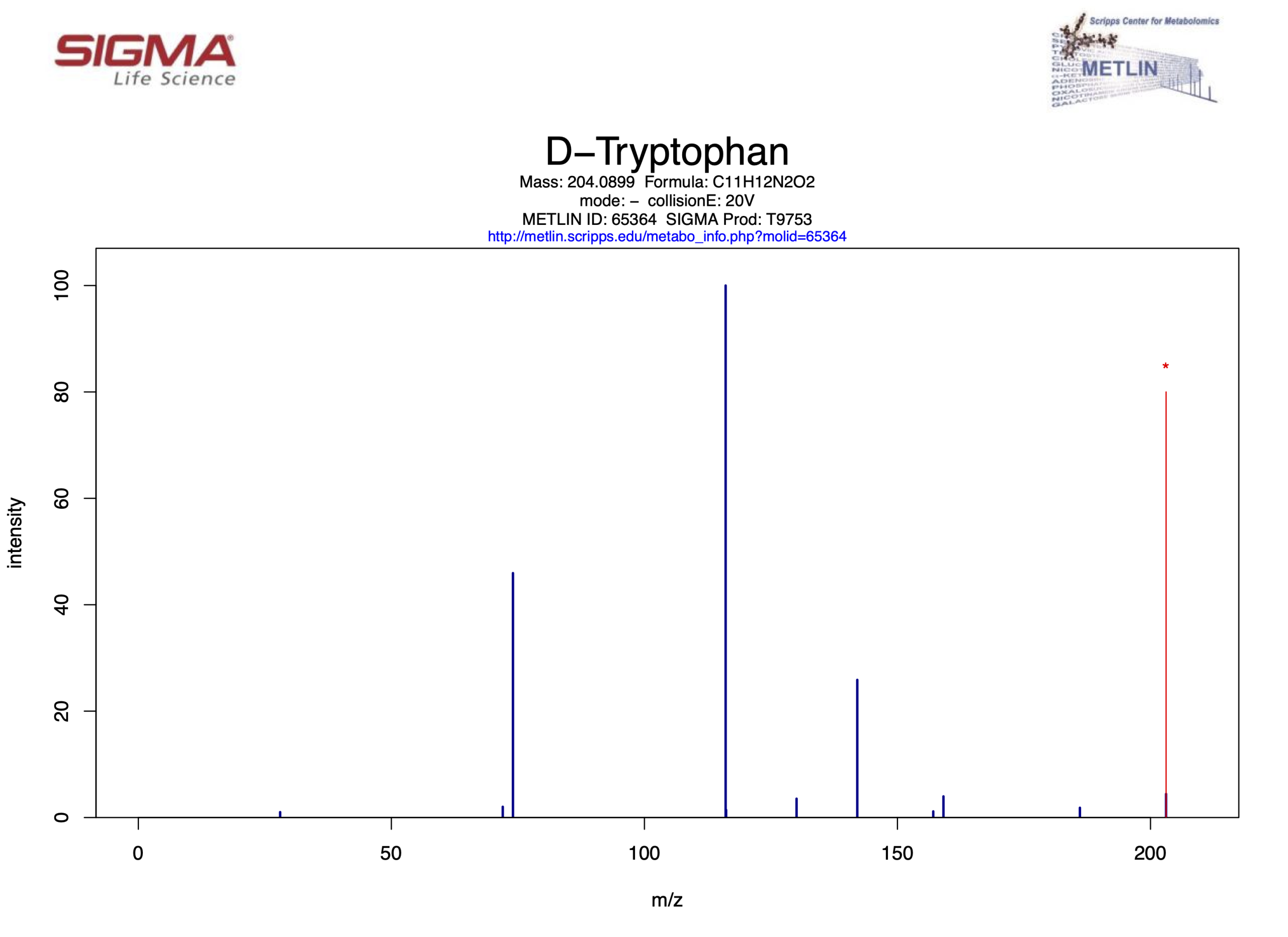
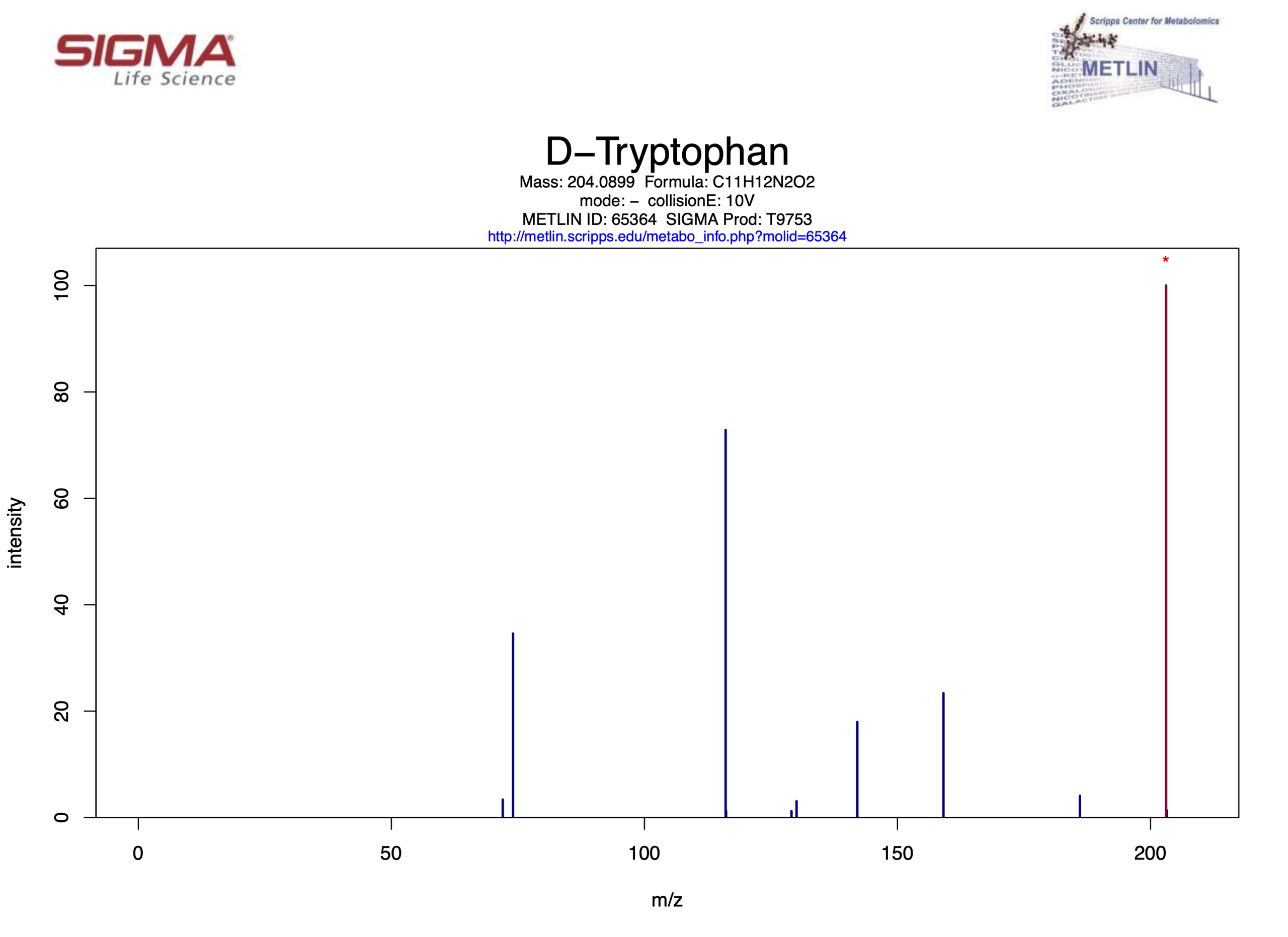
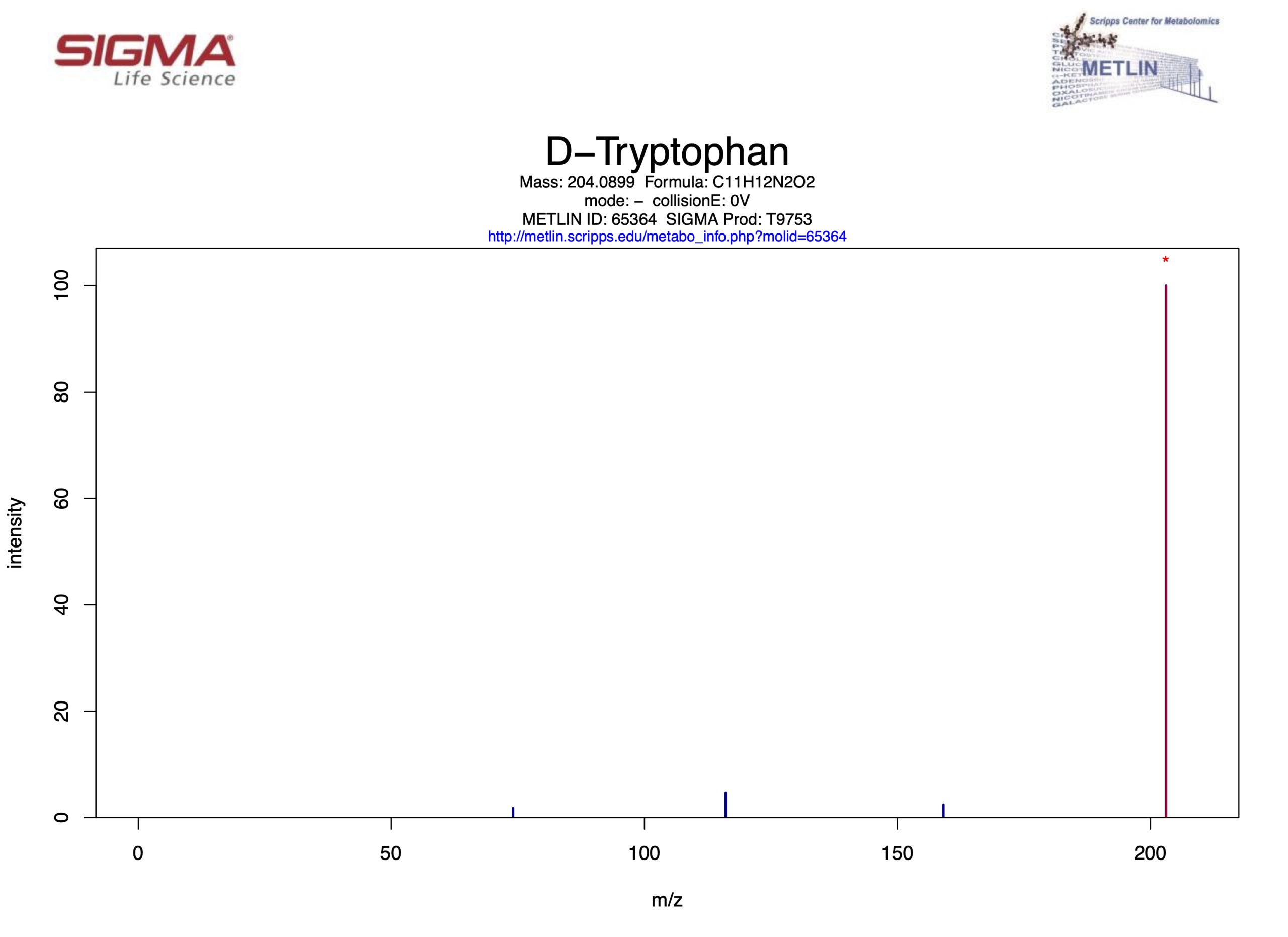
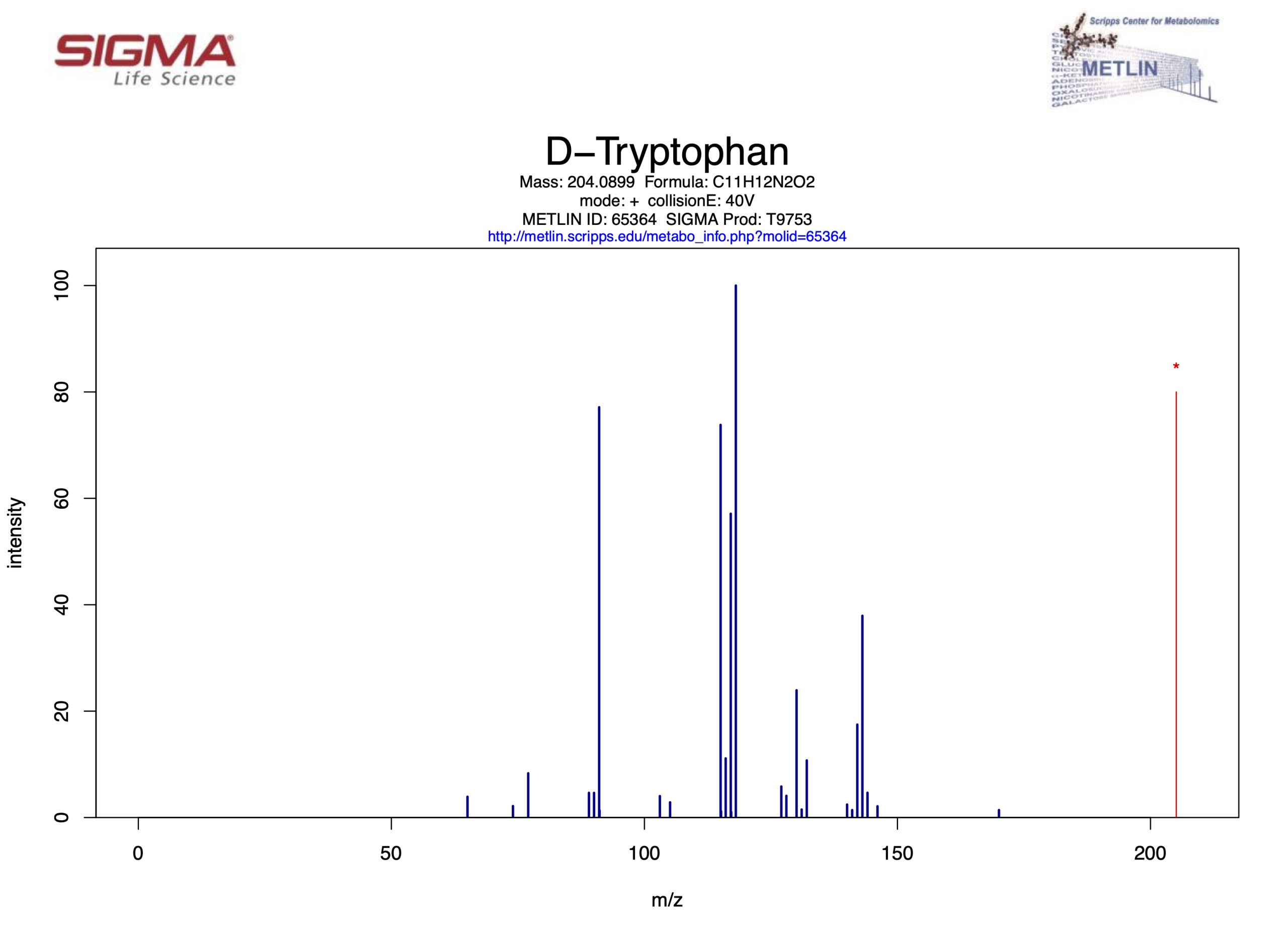
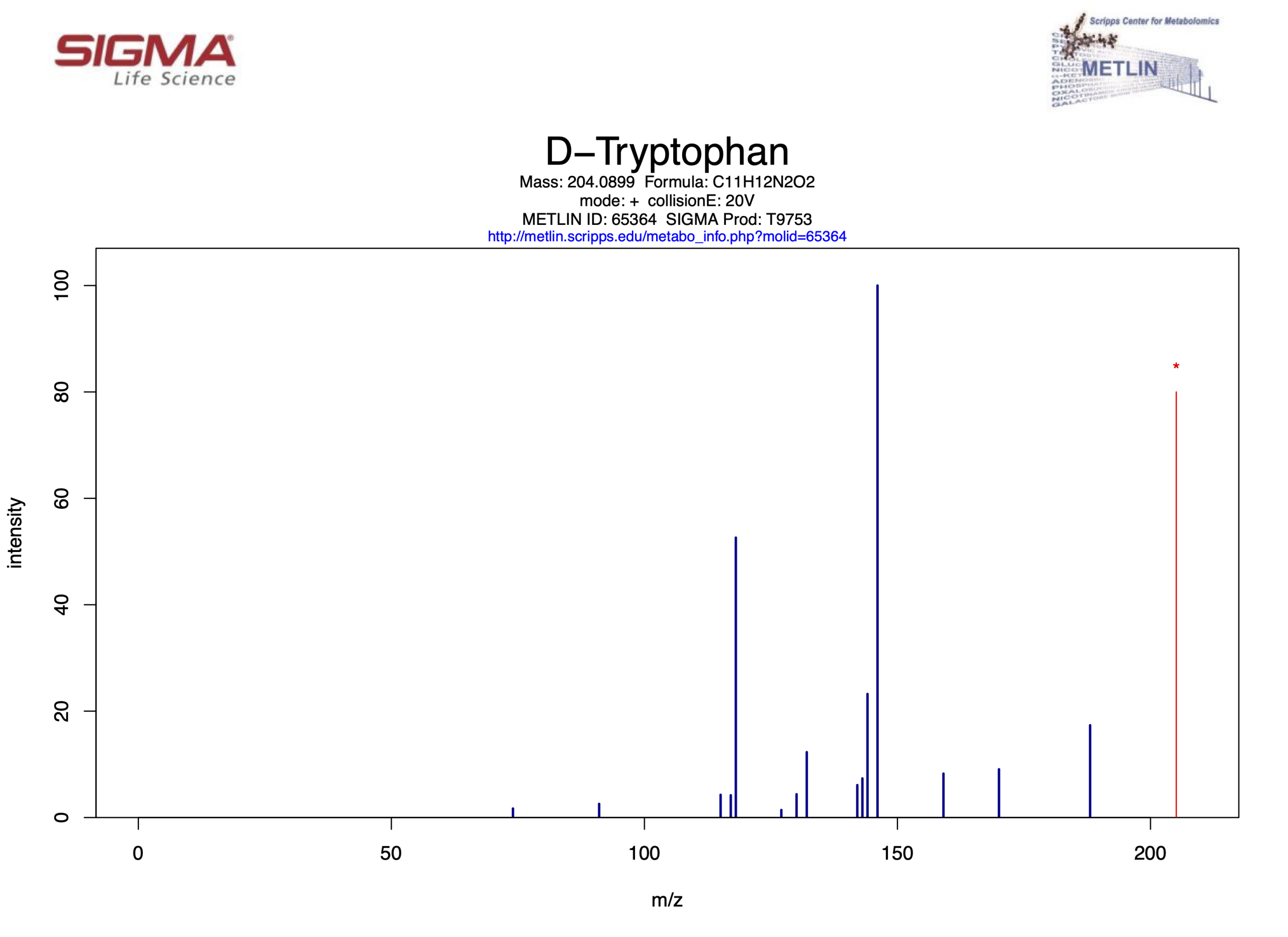
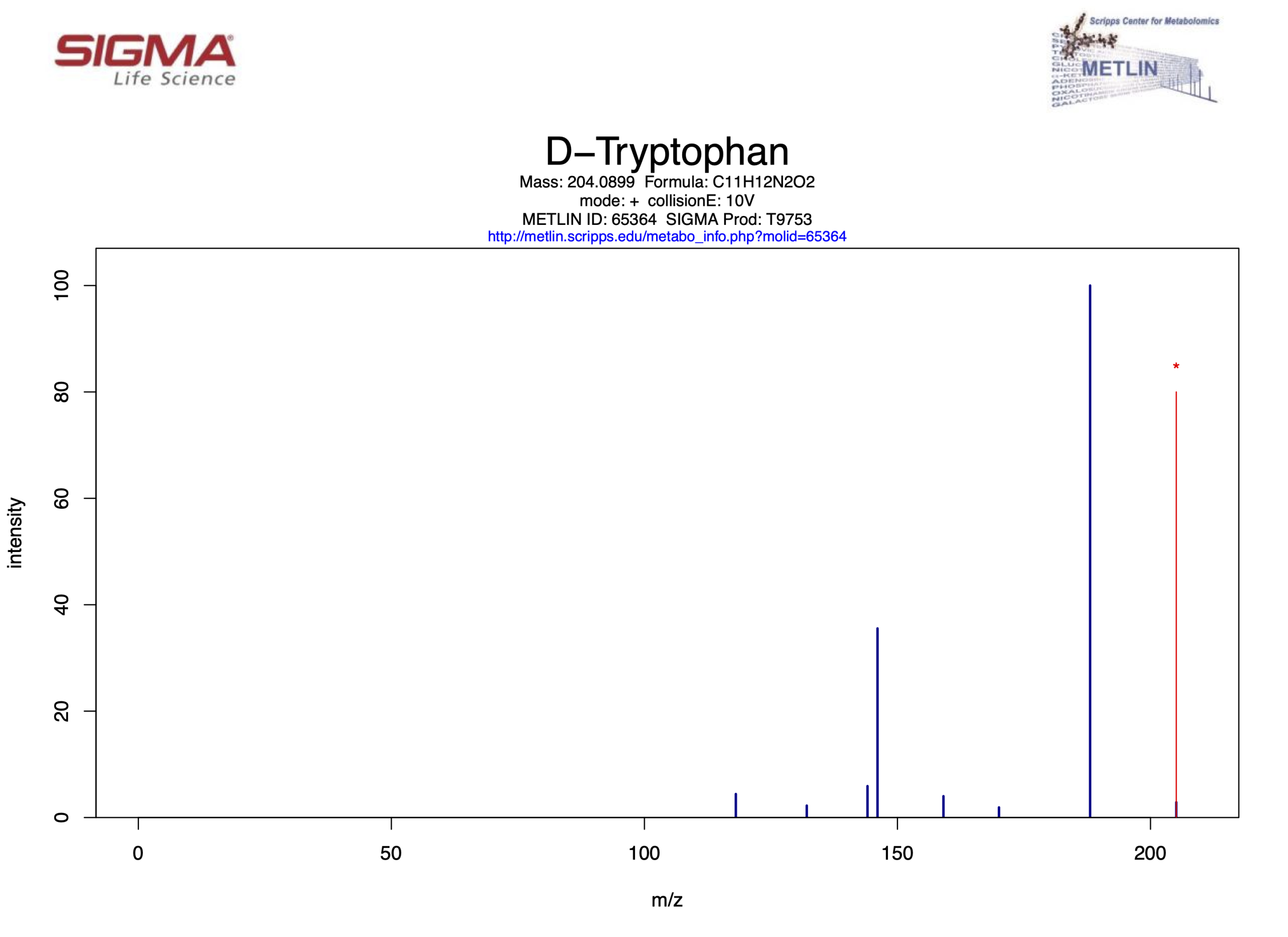
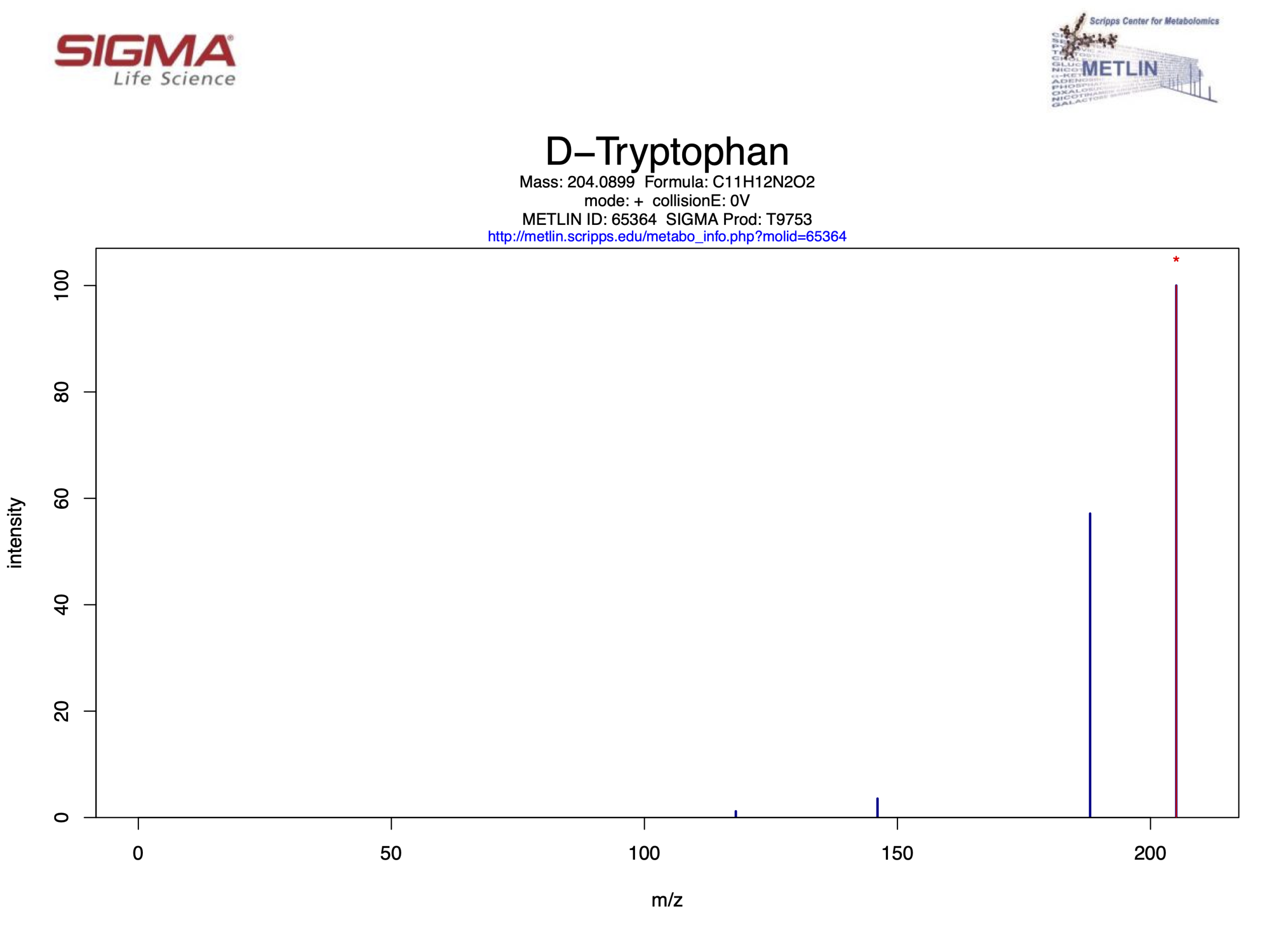
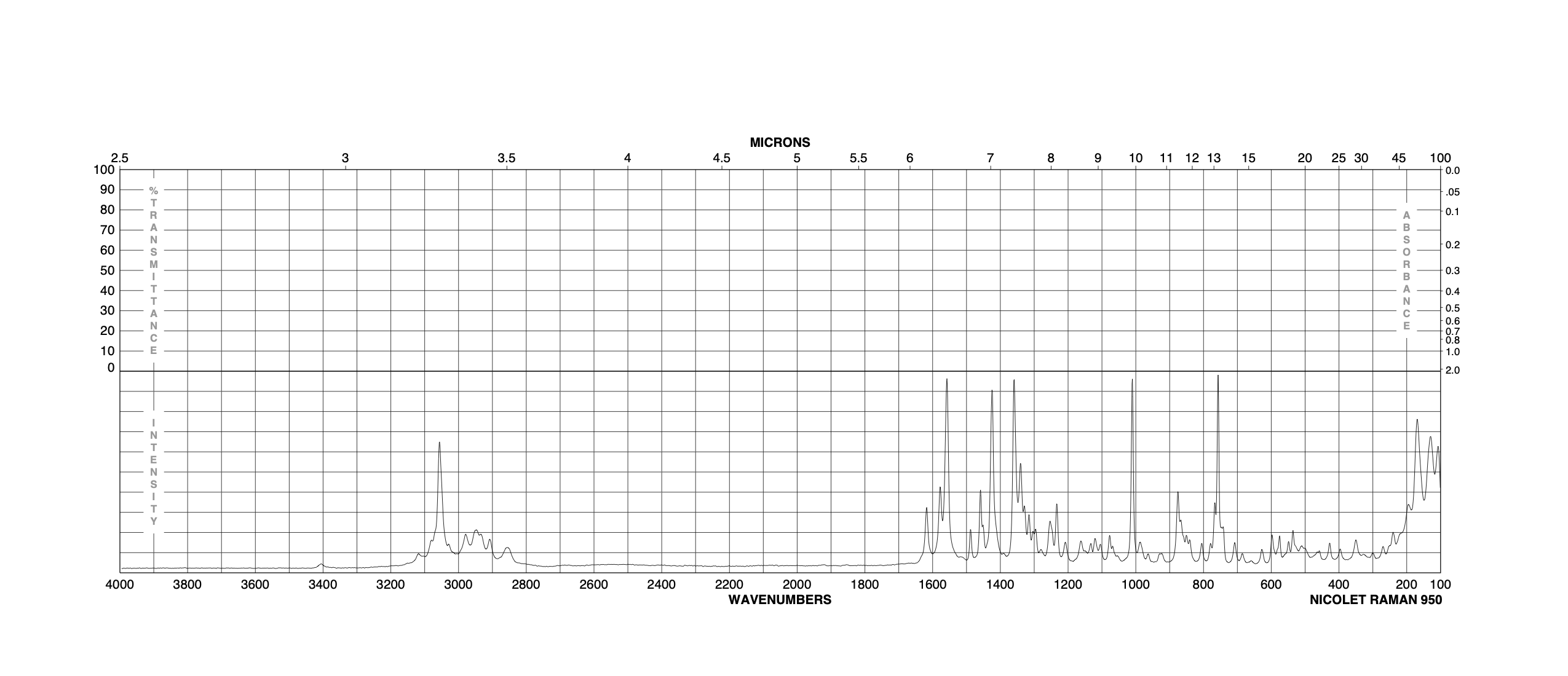
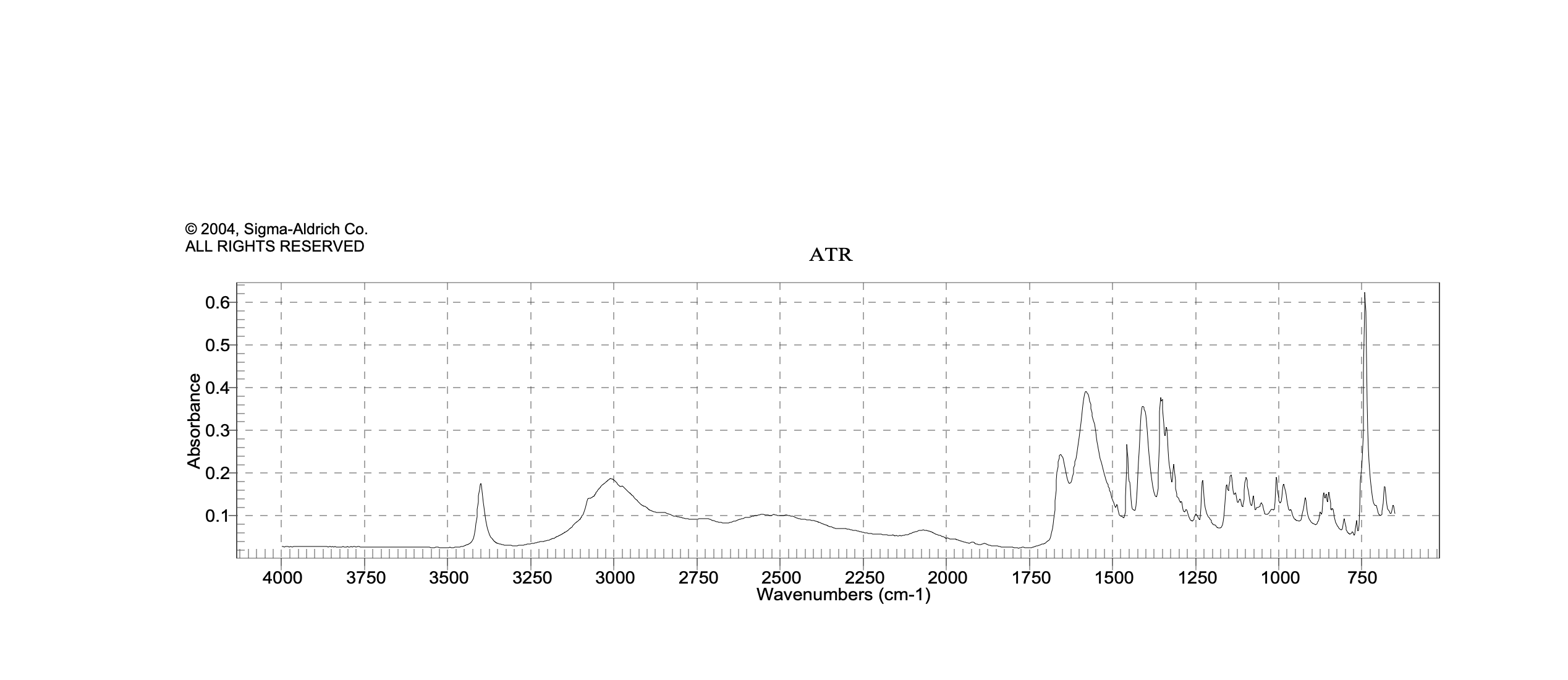
Additional reference spectra, including mass spectrometry, Raman / FT-IR, and ATR-IR documentation, provide further identity support for the D-tryptophan structure.
Why the D-Isomer Matters
L-tryptophan and D-tryptophan should not be treated as interchangeable.
L-tryptophan is the conventional biological amino acid used directly in protein synthesis and ordinary tryptophan metabolism. However, in a stressed or depleted state, added L-tryptophan may still be vulnerable to oxidative degradation through the kynurenine pathway.
D-tryptophan follows a different route.
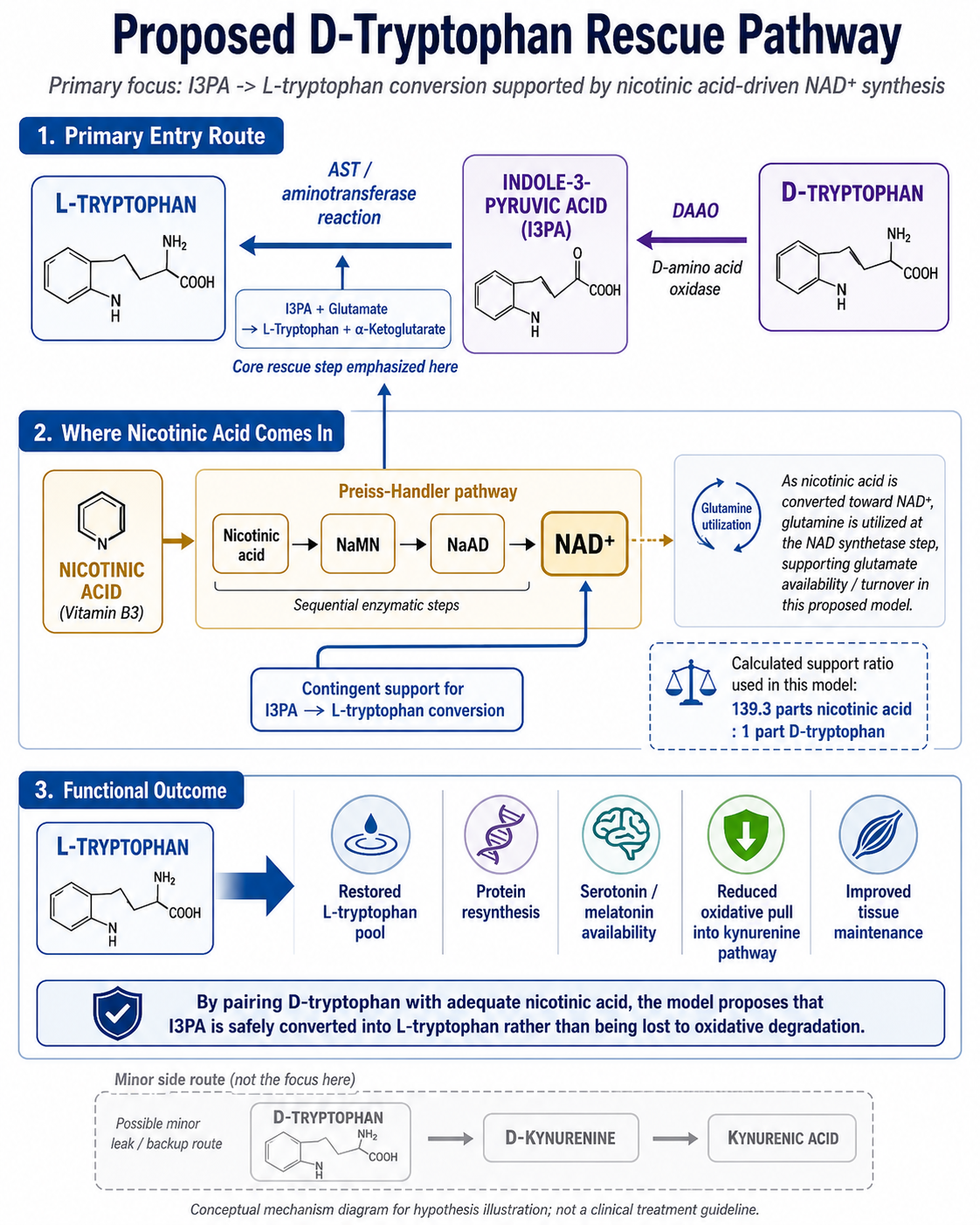
In this model, D-tryptophan can be converted by D-amino acid oxidase into indole-3-pyruvic acid, also referred to as I3PA or I3P. This preserves the indole ring and creates a proposed indole-side signal that may later be redirected toward usable L-tryptophan through aminotransferase chemistry.
For this reason, D-tryptophan is not positioned here as “more tryptophan” in the ordinary nutritional sense.
It is positioned as:
- an indole-signal precursor,
- a DAAO-accessible tryptophan route,
- a proposed I3PA-generating substrate,
- and a strategic partner to nicotinic acid in the coupled Shield & Deposit model.
Relationship to Nicotinic Acid and NIASCEND
D-tryptophan is designed to be understood in relation to nicotinic acid.
The current coupled model uses a defined mass relationship:
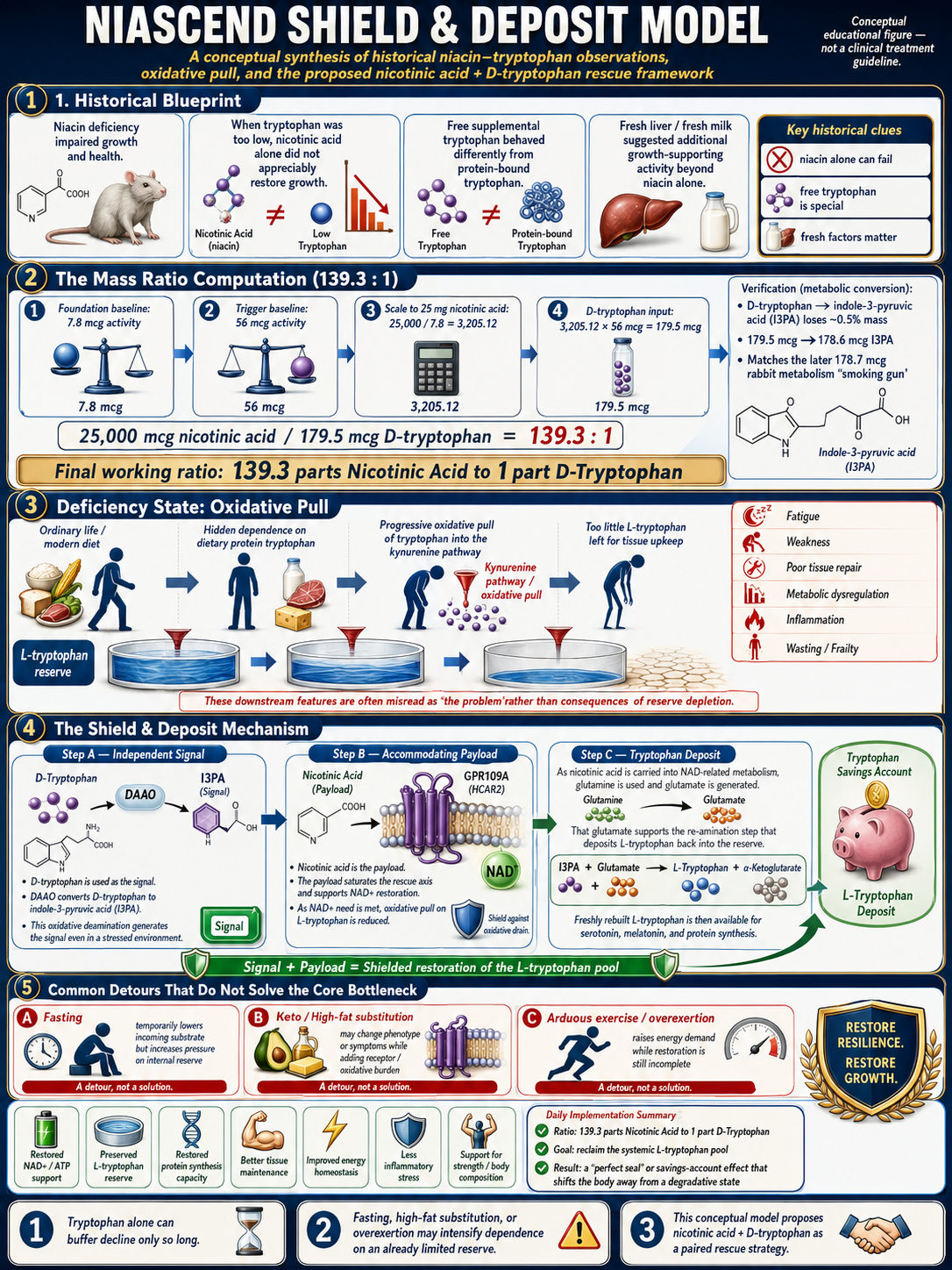
139.3 parts nicotinic acid : 1 part D-tryptophan
In this framework, nicotinic acid acts as the larger metabolic payload. It enters the Preiss–Handler pathway and supports NAD⁺ synthesis. D-tryptophan acts as the smaller indole-side signal precursor, moving toward indole-3-pyruvic acid through D-amino acid oxidase.
The proposed coupling is:
- D-tryptophan enters as the D-isomer signal substrate.
- D-amino acid oxidase converts D-tryptophan toward indole-3-pyruvic acid.
- Nicotinic acid supports NAD⁺ synthesis through the Preiss–Handler pathway.
- At the NAD synthetase step, glutamine utilization can support glutamate availability.
- Glutamate can then provide amino-donor pressure for indole-3-pyruvic acid to move back toward L-tryptophan.
- The model proposes that this helps preserve tryptophan for protein resynthesis and tissue maintenance rather than losing it into oxidative degradation.
In simple terms:
D-tryptophan supplies the indole signal.
Nicotinic acid supplies the NAD⁺ payload.
Together, they are proposed to support protected restoration of the L-tryptophan pool.
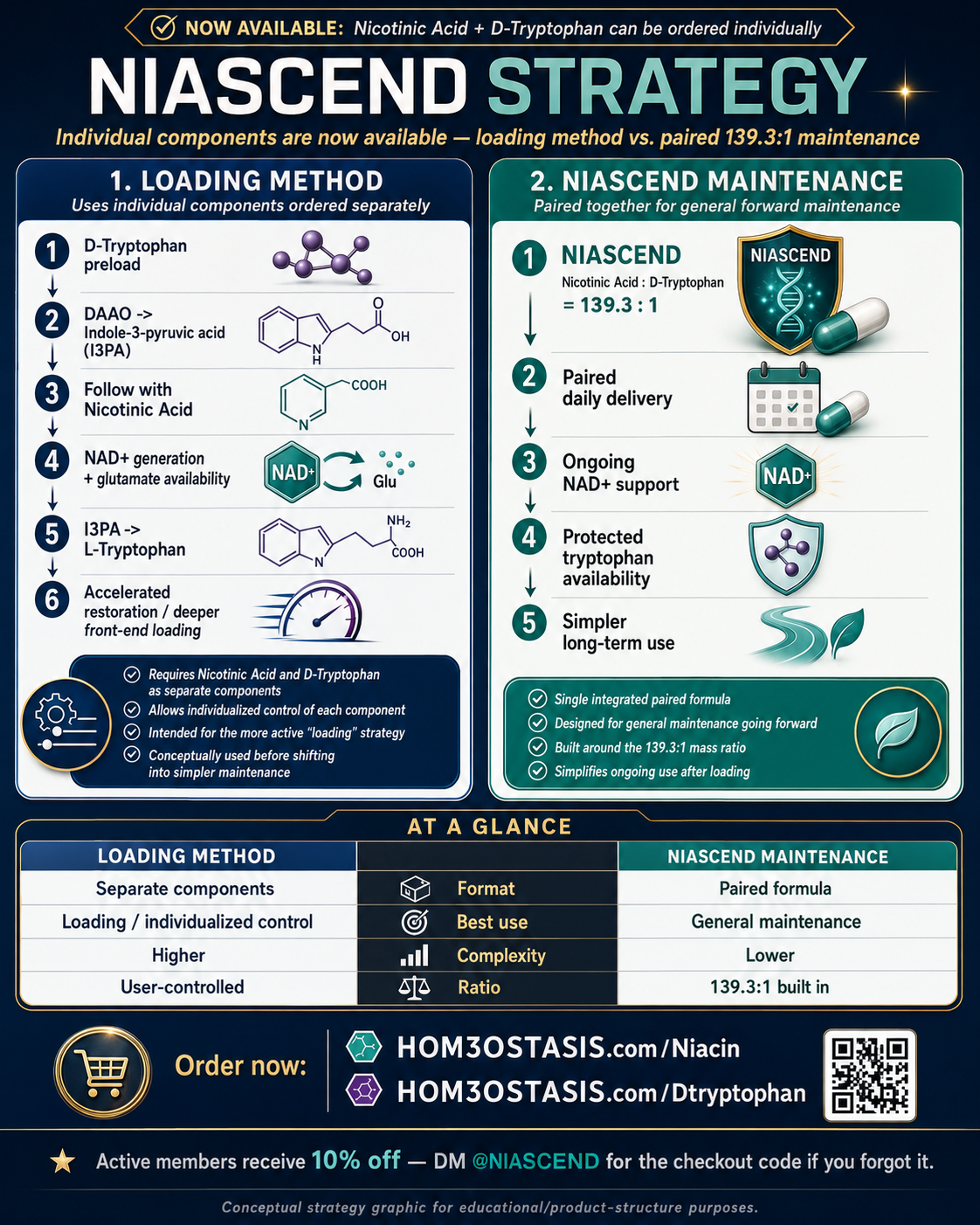
NIASCEND integrates both ingredients in the defined coupled ratio for long-term use. This individual D-tryptophan product exists for staged use, formulation flexibility, and advanced users who are intentionally working with the separate components.
Why Use D-Tryptophan Separately?
The combined ratio product is the clean daily model.
The individual D-tryptophan product is for users who want more control over the timing or structure of the protocol.
Possible uses include:
- staged introduction before paired use,
- separate D-tryptophan timing studies,
- controlled pairing with individual nicotinic acid,
- exploration of the D-tryptophan preload concept,
- and formulation work for users already familiar with the combined ratio product.
The individual product is not meant to replace the coupled formula for most users. It exists to support deliberate, calculated use of the D-isomer as a distinct biochemical input.
The D-Tryptophan Preload Concept
One emerging hypothesis is that D-tryptophan may be used as a preload before nicotinic acid.
The reasoning is that D-tryptophan may first raise the availability of D-derived indole-3-pyruvic acid. Nicotinic acid could then be introduced later to provide the NAD⁺ / glutamine–glutamate payload needed to support conversion of that indole signal back toward L-tryptophan.
This is a more advanced concept and should not be confused with routine daily use.
The proposed sequence is:
D-tryptophan first → indole-3-pyruvic acid signal → nicotinic acid activation → L-tryptophan restoration
This remains a working hypothesis, not a finalized clinical protocol.
The purpose of making D-tryptophan available individually is to allow careful observation and controlled experimentation, not reckless escalation.
Composition
Active ingredient: D-Tryptophan
Form: Crystalline powder
Isomer: D-tryptophan
Other ingredients: None
Sensory and Physiologic Notes
D-tryptophan alone is not expected to create the classic nicotinic-acid flush. Its role in this model is more subtle: it is used as an indole-side precursor rather than as the direct flushing payload.
When paired with nicotinic acid, the response may feel different from nicotinic acid alone. Some users may experience a smoother or more integrated response when D-tryptophan is properly coupled with nicotinic acid.
Individual responses vary.
The goal is not to chase intensity. The goal is clean signaling, careful titration, and disciplined use of the paired chemistry.
Summary
D-tryptophan is not simply “tryptophan.”
It is the D-isomer: a distinct indole-side input proposed to move through D-amino acid oxidase toward indole-3-pyruvic acid.
In the NIASCEND model, D-tryptophan supplies the signal side, while nicotinic acid supplies the NAD⁺ payload. Their paired use is designed around a calculated mass ratio of:
139.3 parts nicotinic acid : 1 part D-tryptophan
This individual D-tryptophan product exists for users who want access to the D-isomer itself for staged, intentional, and controlled use within that broader coupled model.


Reviews
There are no reviews yet.